Life insurance has come a long way since the 1990s. Advisers no longer rely on rate books, term policies dominate the market, and applications are now primarily submitted digitally. Despite this progress, the process of requesting medical reports has not changed in over 30 years.
For many advisers, delays and extended wait times remain a significant barrier, affecting conversion rates, client outcomes, and broader confidence in the life insurance industry.
Today, however, the industry is starting to see meaningful progress. Digital PMAR solutions are emerging as a way to reduce inefficiencies, improve communication between insurers and medical practices, and deliver faster decisions for clients.
Below, we explore what is changing – and the benefits these developments hold for advisers and their clients.
The problem with the traditional PMAR process
For decades, PMAR requests have relied on manually driven and inconsistent workflows. Under this process:
- insurers submit PMAR requests to GP clinics by email, post, or fax
- practices have to locate and compile relevant records
- doctors need to review and approve the information
- reports are returned through equally inconsistent channels, and
- advisers are left chasing updates without any visibility.
In practice, this can lead to several entrenched issues.
1. Long and unpredictable turnaround times
Medical practices operate under constant administrative pressure. With PMAR requests often deprioritised behind clinical duties, forms can sit in queues for days, weeks, or even months.
2. Lost or incomplete forms
Fax failures, missing pages, unsigned reports, or requests that never get actioned can also contribute to unnecessary delays.
3. Overcollection of medical information
Traditional PMAR processes rely on doctors to determine which information is relevant. This can result in them providing more detail than necessary, complicating the underwriting process and potentially exposing sensitive patient information.
4. High variability across practices
While some clinics respond quickly, others lack standardised processes or trained staff to manage insurer requests, leading to inconsistent outcomes.
5. Lack of transparency for advisers and clients
Once the PMAR request leaves the insurer, advisers have no visibility of its progress. In this situation, manual follow ups become common, time consuming, and a source of frustration for all involved.
The inconveniences advisers experience from such delays are real and widely shared. For their clients, waiting weeks for an underwriting outcome can create anxiety, undermine confidence, and increase the likelihood of them disengaging from their application altogether.
Better, faster, more consistent: enhancing the process with digital PMARs
As advisers continue to share concerns about slow or ineffective PMAR request processing, the need for digital transformation has become more pressing. In response, digital PMAR solutions are improving the experience by removing these traditional bottlenecks through secure, structured, end-to-end digital workflows. Here is how:
1. Secure digital transmission and reduced administrative burden
Digital PMARs standardise and streamline how information is requested and delivered. Medical practices receive and submit documents through encrypted online portals, reducing reliance on manual admin tasks such as faxing, scanning, and printing.
2. Guided forms that reduce inconsistencies
Doctors and clinic staff are presented with structured, purpose-built questions. This minimises missing information and reduces back and forth requests, leading to more complete reports from the beginning. It also restricts requests to genuinely relevant data, simplifying processes, supporting faster assessments, and better protecting patient privacy.
3. Quicker turnarounds
Some platforms integrate directly into practice workflows, allowing clinics to prioritise and process insurer requests more efficiently as needed.
4. Improved tracking and transparency
Advisers are able to access real-time status updates from insurers, resulting in less delays, fewer follow ups, and clearer client expectations.
How advisers are using digital PMARs in practice
By reducing turnaround times and improving consistencies in the underwriting process, digital PMAR solutions are starting to deliver practical benefits and meaningful improvements for advisers and clients alike.
1. Enhanced efficiency, stronger engagement
When medical history is well documented, underwriting decisions are faster. Digital PMAR formats are particularly effective for clients with chronic but stable health conditions, enabling underwriters to review structured information promptly and make consistent decisions.
A streamlined advice journey is one of the most effective ways to maintain client engagement, demonstrating that an adviser’s processes are reliable, efficient, and client centred.
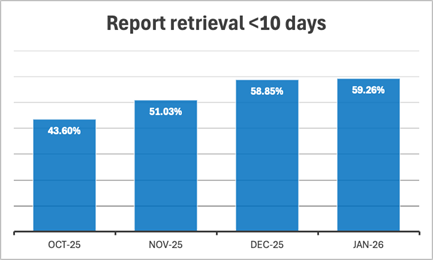
Digital PMAR retrieval efficiencies continue to grow month on month, with nearly 60% of cases being returned in less than 10 days.
Source: EQ Pathology
2. Clearer expectations, increased trust
With greater visibility, advisers can more accurately explain steps, offer updates, and outline timeframes to clients. This puts them in a better position to manage their clients’ expectations and maintain their confidence, reducing chances of policy abandonment.
3. Minimising follow-up friction
Being able to easily view the status of PMARs means advisers no longer need to chase updates from medical practices and underwriting teams, giving them more time to engage with existing clients and pursue new ones.
This is just the beginning
As insurers continue to invest in smarter systems and deeper integration, significant potential exists to create a more reliable and interconnected ecosystem that benefits clients, advisers, underwriters, and medical practices.
Looking ahead, some of the enhancements likely to emerge in coming years include:
- Wider adoption of structured digital medical forms
- Closer integration between insurers and medical practice systems
- Improved real-time visibility for advisers
- Stronger guardrails around data security and consent, and
- Continued pressure to improve turnaround times and adviser experience.
The benefits are there for everyone
The emergence of digital PMARs is not merely an operational upgrade but represents a fundamental improvement in how risk information is collected and assessed. This digital transformation of the underwriting and advice process has been shown to reduce friction, increase speed, and bring greater consistency to a historically unpredictable part of the insurance application process.
By embracing these tools, advisers can help their clients progress more confidently through their insurance journey. The result is improved standards, better outcomes, a stronger advice experience, and more sustainable adviser-client relationships.
Discover smoother underwriting experiences. See how Acenda’s digital PMARs are cutting friction and increasing efficiency to support stronger advice outcomes.
To receive 0.25 Technical Competence CPD points for this article, complete the quiz here.
